
Women
Women
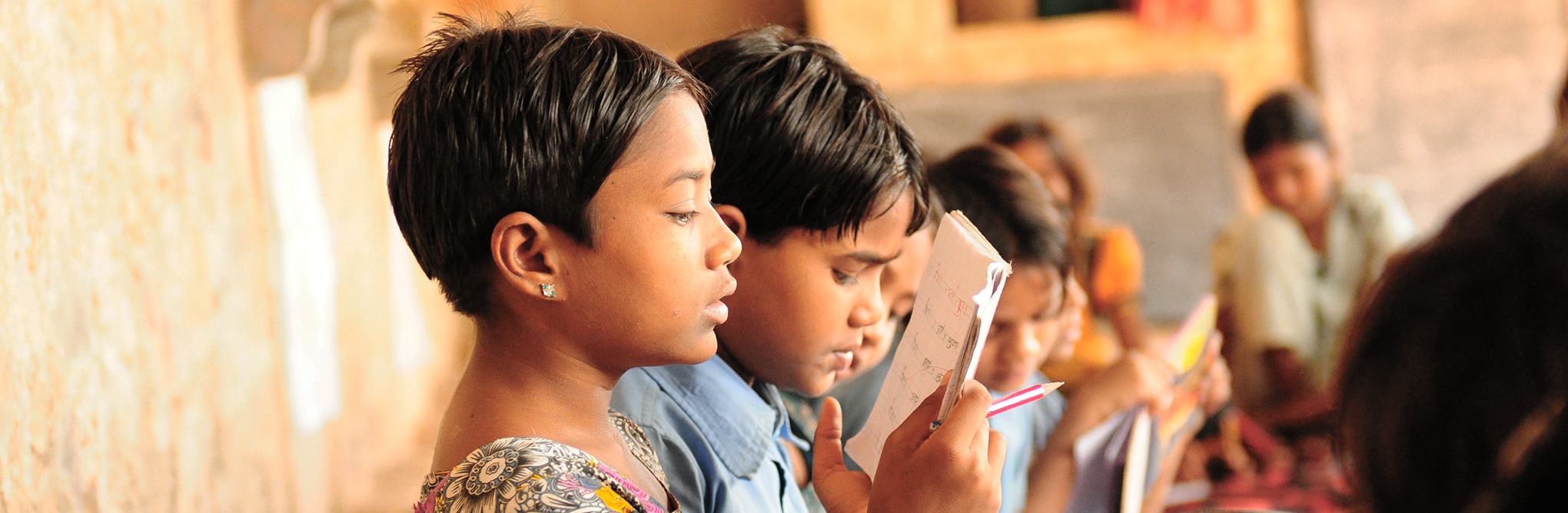
Project Brief: Gnanodaya school provides quality primary and secondary education to healthy children of leprosy affected people. Asha Austin currently supports part of the annual expenses for running the school - teacher salaries, electricity and food related costs
Project Type: Residential School (description)
Primary Focus: children of leprosy patients (description)
Supporting Chapter Contact:
Austin
Project Type: Residential School (description)
Primary Focus: children of leprosy patients (description)
Secondary Focus: other
Area: RuralSupporting Chapter Contact:
Austin
Status: REJECTED
Project Steward: Bharath Kumar Thandri
Co-Steward: Satish Murugesan
Project Partner(s): Padma Venkatraman
Project Address: Women
Gnanodaya School
Venkatapuram Village
Tamil Nadu 603204
Tel: 91-44-27464890
Stewarding Chapter: Austin
Project Steward: Bharath Kumar Thandri
Co-Steward: Satish Murugesan
Project Partner(s): Padma Venkatraman
Project Address: Women
Gnanodaya School
Venkatapuram Village
Tamil Nadu 603204
Tel: 91-44-27464890
Stewarding Chapter: Austin
“GNANODAYA†School was stared in the year 2001 by St. Johns Leprosy Patients Rehabilitation Association to provide educational opportunity for healthy children of leprosy affected people. The majority of the children’s parents are below poverty line and Gnanodaya provides shelter (in hostel located on campus), food and education to the children – all at no cost to the parents. Due to stigma attached to this disease, these children find it extremely difficult to attend regular schools. The idea behind such a residential school comes from the background of most leprosy-affected patients/parents. Many of them earn a living by begging. The children either go along with them or wander near the homes. They don’t go to school or even if the parents take an effort to enroll the children in a school, they are discriminated/cast aside as children of beggars. So, even if enrolled into school the children drop out due to the discrimination faced in school. Through proper medical care, good nutrition and education these children will be integrated in to the mainstream society. Some children belonging to backward communities from nearby villages also attend the school as day scholars, which promotes integration of the leprosy affected families with mainstream society. The school caters to children of leprosy affected people from all over India – from Delhi to Kanyakumari. There are currently 102 children residing in the on-campus hostel and 101 children from surrounding villages. Currently the school has students from 1st standard to 8th standard (a nursery class for younger children is also run in the campus) and it plans to upgrade to higher classes (9th and 10th standard) in the next 4 years. Asha Austin currently supports part of the annual expenses for running the school which includes teacher salaries, electricity charges, uniforms, food related costs etc.
Jan 2012 Progress report - Nov 2011
Nov 2011 Teacher salaries (CORRECTED) - 2011
Oct 2011 Progress report - Oct 2011
Sep 2011 Progress report - Sep 2011
Aug 2011 Progress report - Aug 2011
Jul 2011 Progress report - Jul 2011
Jul 2011 Donation details - Jul 2011
Jun 2011 Progress report - Jun 2011
Jun 2011 Annual report - June 2011
Feb 2011 Feb 2011 site visit photos
Feb 2011 Feb 2011 site visit report
Feb 2011 School trust financial statement
Oct 2010 Post site visit Q&A - Oct 2010
Sep 2010 Sep 2010 site visit report
Sep 2010 Sep 2010 site visit photos
Sep 2010 Proposal for 2010-2011
Sep 2010 New school trust details
Mar 2010 Project update report - Mar 2010
Feb 2010 Proposal for 2009-2010
Jan 2010 Jan 2010 site visit report
May 2009 May 2009 site visit report
May 2009 Disbursal receipts (2008-09)
Jan 2009 Disbursal receipts
Nov 2008 Project update report - Nov 2008
Apr 2008 Post site visit Q&A - Apr 2008
Apr 2008 Apr 2008 site visit photos
Apr 2008 Apr 2008 site visit report
Apr 2008 Proposal for 2008-2009
Mar 2008 School annual report (2007 - 2008)
Jan 2008 Disbursal receipts
Dec 2007 Association audit report (2006-2007)
Nov 2007 Project update report - Nov 2007
May 2007 May 2007 site visit report
May 2007 May 2007 site visit photos
Apr 2007 Gnanodaya school details
Apr 2007 Association audit report (2005-2006)
Mar 2007 Conference call minutes - March 2007
Mar 2007 Project discussion - Q&A
Jan 2007 List of children in campus hostel
Jan 2007 Padma's resume
Dec 2006 Original proposal - Dec 2006