
IOI - International Ocean Institute (Anawim)
IOI - International Ocean Institute (Anawim)
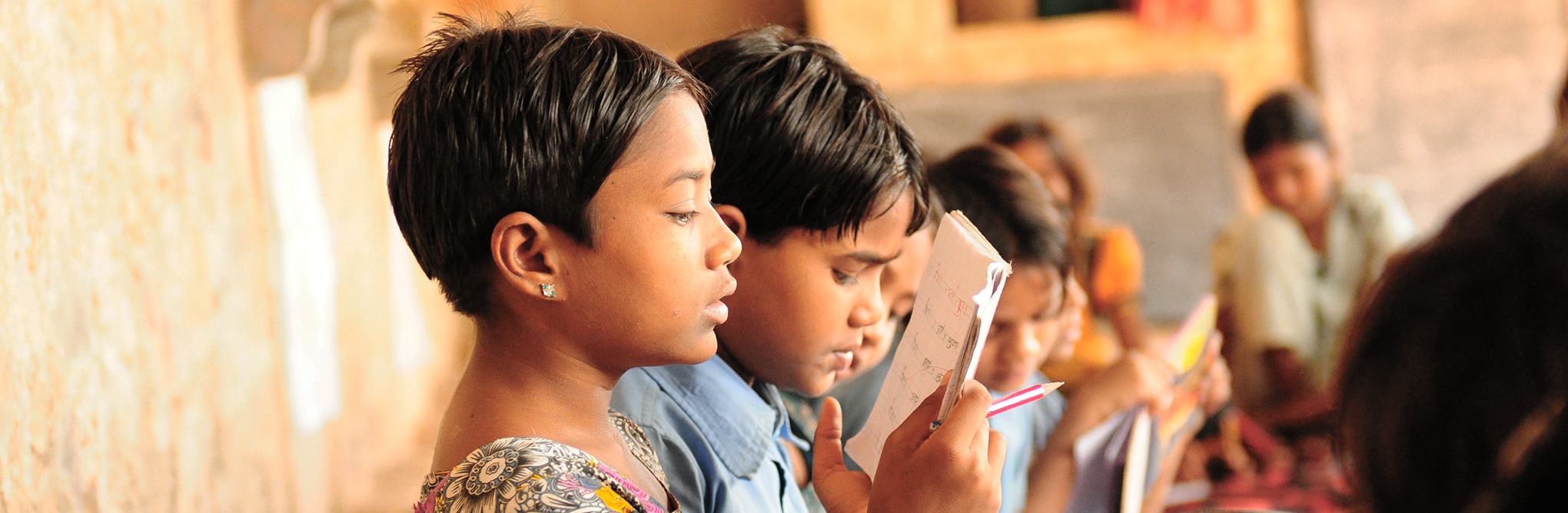
Project Brief: Anawim is dedicated to the socio-economic development of coastal Dalit villages. Together with Asha, Anawim has set up eight Asha Junior Centers to provide educational support and enrichment activities for the children in these villages.
Project Type: Community Awareness Programs (description)
Primary Focus: to go to formal school (description)
Supporting Chapter Contact:
Seattle
Project Type: Community Awareness Programs (description)
Primary Focus: to go to formal school (description)
Secondary Focus: creating resources
Area: RuralSupporting Chapter Contact:
Seattle
Status: CLOSED - ENDED
Project Steward: Tara Bhandari
Project Partner(s): John Sekar
Project Address: IOI - International Ocean Institute (Anawim)
Anawim Trust - 1/497, Shanthi Nagar
Veerapandianpattinam, Tirunelvelli Road,
Tamil Nadu 628 216
Tel: 4639-245122
Stewarding Chapter: Seattle
Project Steward: Tara Bhandari
Project Partner(s): John Sekar
Project Address: IOI - International Ocean Institute (Anawim)
Anawim Trust - 1/497, Shanthi Nagar
Veerapandianpattinam, Tirunelvelli Road,
Tamil Nadu 628 216
Tel: 4639-245122
Stewarding Chapter: Seattle
| 2005 | Silicon Valley | USD 1056 |
| Aug 2004 | St. Louis | USD 3500 |
| Jul 2004 | Silicon Valley | USD 1000 |
| Jul 2004 | Singapore | INR 21000 |
| Jun 2004 | NYC/NJ | USD 3000 |
| Feb 2004 | NYC/NJ | USD 1000 |
| Dec 2003 | St. Louis | USD 1000 |
| May 2003 | Seattle | USD 1200 |
| 2003 | St. Louis | USD 7000 |
| 2003 | NYC/NJ | USD 5000 |
| 2002 | Stanford | USD 7000 |
| 2002 | Silicon Valley | USD 3000 |
| 2002 | Seattle | USD 5000 |
| 2002 | Berkeley | USD 6000 |
| 2001 | Work an Hour | USD 5500 |
| 2001 | Silicon Valley | USD 3000 |
| 2001 | Seattle | USD 3500 |
| 2001 | Boston | USD 2500 |
| 2000 | Boston | USD 2575 |
| 2000 | Work an Hour | USD 5500 |
| 2000 | Seattle | USD 2500 |
Total = $90831
Asha Junior Centers, dedicated to the education and all-round development of children, have been set up in 8 Dalit villages in the Tuticorin district – Ganesapuram, Kulashekarapattinam, Kurangantattu, Mangalwadi, Melatonipalem, Nathakulam, Thaneerpandal, and Valasubramaniapuram.
Dalits are members of a low caste in India (the “untouchables”), who have historically been subject to severe discrimination. In recent times, the treatment of Dalits has improved, but they still have limited opportunities and poor access to education. Dalit children in this district are generally first-generation learners, often have to walk many miles to attend government schools, and cannot afford the private tutoring classes that most other students attend.
The Asha Junior Centers, consisting of a small building with a teacher, books, toys, and other resources, are essentially supplementary education and enrichment centers that the children attend before and/or after school. However, they have provided so much value to the children’s and parents’ lives that they often become the focal point of the villages. The Asha Junior Center buildings themselves are constructed based on an innovative design by Lawrie Baker, which maximizes eco-friendliness while minimizing construction costs. The centers may have gardens tended by the students and provide nutritional supplements (e.g., spirulina, an edible and nutrient-rich algae considered a modern wonder-food).
The Asha Junior Centers also involve an innovative program intended to allow the project to eventually become self-sustaining.
Specifically, each Asha Junior Center is associated with a village women’s group, which is responsible for running the center and which meets regularly to discuss various topics. The women’s group, and the inter-village federation of women’s groups, provides women in the region with a platform to air their thoughts and concerns. To provide additional empowerment, Asha provides initial capital for a microcredit program which is run by the women’s group and allows the village women to take low-interest loans to fund their own enterprises. Income-generating activities that women in this area undertake include making and selling palm-leaf mats and coconut thatch, the retailing of soap and other consumer goods, opening small retail shops, selling snacks and other food items, etc. As the women pay interest on their loans and as new loans are made, the capital in the microcredit fund grows. It is expected that in about 3 years after the initiation of such a fund, the funds generated by this capital will be sufficient to fund the ongoing costs of the Asha Junior Center, allowing the center, in conjunction with the women’s group, to attain economic autonomy. In fact, 2 of the 8 centers that Asha has funded have already become self-sufficient.
Jul 2005 Tsunami discussions/ FAQ-1
Jul 2005 Tsunami rehab proposal details
Jul 2005 Tsunami discussion FAQ-2
Jul 2005 Tsunami discussion FAQ
Jul 2005 Tsunami rehab proposal details
Mar 2005 Tsunami Relief Budget
Jan 2005 Update on Impact of Tsunami
Aug 2004 August 2004 report
May 2004 Mangalwadi Telecon Minutes
May 2004 Mangalwadi May 2004 Accounts
Jan 2003 Kumar's Site Visit Report
Sep 2001 Meeting Minutes
May 2001 Proposal
May 2001 Progress Report
Mar 2000 budget