
Asha Trust - Back to School Program
Asha Trust - Back to School Program
Project Brief: Back to School Program
Project Type: Capex / Infrastructure (description)
Primary Focus: to go to formal school (description)
Supporting Chapter Contact:
Portland
Project Type: Capex / Infrastructure (description)
Primary Focus: to go to formal school (description)
Secondary Focus: other
Area: RuralSupporting Chapter Contact:
Portland
Status: UNKNOWN
Project Steward: Chandrika Nimmagadda
Co-Steward: Srivatsan Kannan
Project Partner(s): Jeba Durai
Project Address: Asha Trust - Back to School Program
No: 15/10, Diwan Bhashyam Street
West Saidapet
Chennai, Tamil Nadu 600015
Tel: 040-42112404
Stewarding Chapter: Portland
Project Steward: Chandrika Nimmagadda
Co-Steward: Srivatsan Kannan
Project Partner(s): Jeba Durai
Project Address: Asha Trust - Back to School Program
No: 15/10, Diwan Bhashyam Street
West Saidapet
Chennai, Tamil Nadu 600015
Tel: 040-42112404
Stewarding Chapter: Portland
| Aug 2005 | Portland | INR 468000 |
Total = $468000
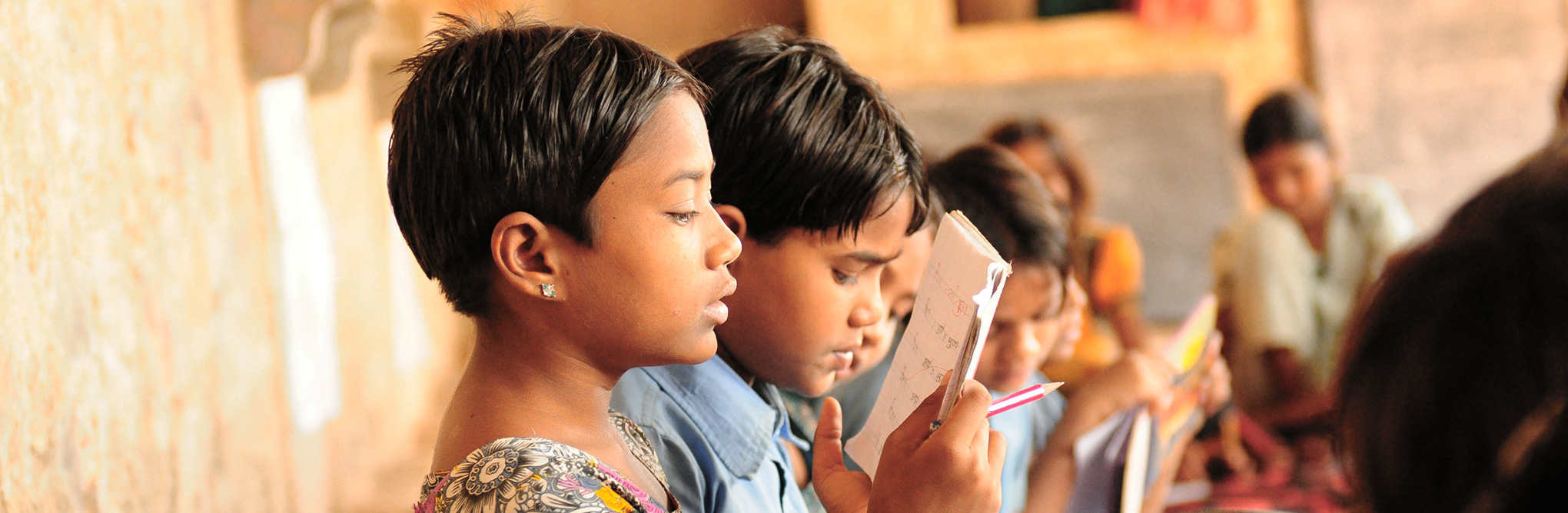
Asha for Education in association with Pamela foundation sponsored the educational needs of 2550 children in 17 villages of Kancheepuram district of Tamil Nadu. The cost of one educational kit which includes notebooks, school bags and uniform, was 200 Rupees.
While governments and relief workers have worked very hard to get conditions back to some kind of normalcy -- meeting the basic needs of the people and communities that were hit by the Tsunami of December 2004 -- it has been extremely difficult to get the basic requirements of the children. This means there was no money for books, notebooks, bags, school supplies, and stationery -- the things required for going back to school. While the government has been able to help many, they don't have it within their budget to supply the back-to-school necessities for the youngest children.
While governments and relief workers have worked very hard to get conditions back to some kind of normalcy -- meeting the basic needs of the people and communities that were hit by the Tsunami of December 2004 -- it has been extremely difficult to get the basic requirements of the children. This means there was no money for books, notebooks, bags, school supplies, and stationery -- the things required for going back to school. While the government has been able to help many, they don't have it within their budget to supply the back-to-school necessities for the youngest children.
The following villages will be among those supported.
<b>1. Paramankanni Colony:</b>
This is a small village of 50 families. This is a Dalit community who are mostly agricultural laborers. Due to the tsunami, the land has become salinated and there is no livelihood available to them till the land recovers. Currently, people are surviving only on relief.
Relief Work:
-- No Government interventions. No compensation was reached.
-- ACDS contacted Red Cross Society, they gave handloom uniforms for 60 children
<b>2. Paramankanni Kuppam:</b>
This is a village of 200 families. 75 houses were damaged by the Tsunami in this village. At this time, one school is functioning up to 5th grade and is run by two teachers. This area is based on fisherman community.
Relief Work:
-- All affected families received Rs.4000 and 60 kg of rice compensation from Government.
Needs:
-- Educational materials are required for 75 children.
<b>3.Seekanakuppam:</b>
In Seekanakuppam, two areas were affected R.Nagar and Sathya Nagar. There are 180 families living in these two areas. There were no deaths reported but there was heavy loss of property. Before the tsunami struck- most people in this area had a reasonable livelihood through agriculture, but presently there is no agricultural work and the laborers have been affected. One middle school is functioning with five teachers. Children are going to school.
Relief Work:
-- No Government interventions. No compensation was reached.
<b>4.Perinthuravukuppam:</b>
There are 185 families who live in this village. There were 65 huts that were damaged. One school is functioning up to 5th grade with two teachers. The primary occupation of this village is fishing. However, due to damage to boats and loss of nets people are unable to fish and their livelihood has been affected. Additionally, 30 youth (dropouts from school) are interested in receiving vocational training.
Relief Work:
-- Government constructed 100 temporary shelters in this area.
<b>5. Manjalvillakam Colony: </b>
Is a small village of 25 families. People are living without any occupation. In this area, people are facing problem of livelihood.
Relief Work:
-- No Government interventions. No compensation was reached
<b>6. Perinthuravu Colony:</b>
Is a village of 30 families. It is mostly a Dalit community. People are living without any occupation. In this area, people are facing problem of livelihood.
Relief Work:
-- No Government interventions. No compensation was reached
<b>7.Theinpattinamkuppam:</b>
There are 68 families in this village including 75 children. No educational support has been provided. The community is based of fishing and awaits the relief from the government. They do not have an occupation presently and there are requirements of food.
Relief Work:
-- Government constructed 50 temporary shelters in this area.
-- Women’s Collective (WC) constructing the temporary shelter for remaining 18 families.
-- All affected families got Rs.4000 and 60 kg of rice compensation from Government.
<b>8.Theinpattinam Colony:</b>
There are 100 families in this village including 45 children. It is a Dalit community. People are living without occupation. Agricultural land was salinated and hence not useful for farming currently.
Relief Work:
-- No Government interventions. No compensation was reached.
<b>
9. Kolavanji Colony:</b>
There are 82 families in this village including 20 children. It is a Dalit community. People are living without any occupation since the land they work on is salinated. There are 10 youth (dropouts) in the village who are interested in vocational training.
Relief Work:
-- No Government interventions. No compensation was reached
<b>10.Vadapattinamkuppam:</b>
There are 128 families in this village. 65 huts were washed out. There is no school in the village. However, 70 children go to a school that is situated 4km from the place. Boats and nets were completely damaged and work is still at a rest.
Relief Work:
-- Government constructed 100 temporary shelters in this area
-- Women’s Collective (WC) constructing the temporary shelter for rest of 28 families.
-- All affected families got Rs.4000 and 60 kg of rice compensation from Government.
<b>11.Kanathurkuppam: </b>
There are 130 families in this village. 60 huts were damaged. The village is a fisherman community. People are living without occupation due to loss of nets and boats. No school is functioning in the village.
Relief Work:
-- Government constructing temporary shelter
-- All affected families got Rs.4000 and 60 kg of rice compensation from Government.
<b>12. Keelarkolai Colony: </b>
There are 52 families in this village. It is Dalit community. People are living without any occupation. People do not have a livelihood as they were agricultural laborers and are now out of work. There are also no proper roads to get to the village. It is in an isolated area that doesn’t have drinking water supply. To get the drinking water, people have to travel for 2 km. There is no school and the children go to the neighboring village to attend school.
Relief Work:
-- No Government interventions. No compensation was reached
<b>13.Cuddalore Village: </b>
This village consists of three kuppams – Chinna Kuppam, Periya Kuppam and Alli Kuppam. There are 221 families in Chinna Kuppam, 90 families in Periya Kuppam and 50 families Alli Kuppam. Huts are completely washed away. In these kuppams, among 135 children, 40 children are going to school 5 km away by sharing an auto. In Periya Kuppam, a school up to 5th grade is functioning.
Relief Work:
-- Government constructed 100 temporary shelters in this area
<b>14. Cuddalore Colony: </b>
There are 300 families in this village. It is a Dalit community who are agricultural laborers. Presently people are living without an occupation. A school up to V classes is conducted where additional teacher is also required.
Relief Work:
-- No Government interventions. No compensation was reached
<b>1. Paramankanni Colony:</b>
This is a small village of 50 families. This is a Dalit community who are mostly agricultural laborers. Due to the tsunami, the land has become salinated and there is no livelihood available to them till the land recovers. Currently, people are surviving only on relief.
Relief Work:
-- No Government interventions. No compensation was reached.
-- ACDS contacted Red Cross Society, they gave handloom uniforms for 60 children
<b>2. Paramankanni Kuppam:</b>
This is a village of 200 families. 75 houses were damaged by the Tsunami in this village. At this time, one school is functioning up to 5th grade and is run by two teachers. This area is based on fisherman community.
Relief Work:
-- All affected families received Rs.4000 and 60 kg of rice compensation from Government.
Needs:
-- Educational materials are required for 75 children.
<b>3.Seekanakuppam:</b>
In Seekanakuppam, two areas were affected R.Nagar and Sathya Nagar. There are 180 families living in these two areas. There were no deaths reported but there was heavy loss of property. Before the tsunami struck- most people in this area had a reasonable livelihood through agriculture, but presently there is no agricultural work and the laborers have been affected. One middle school is functioning with five teachers. Children are going to school.
Relief Work:
-- No Government interventions. No compensation was reached.
<b>4.Perinthuravukuppam:</b>
There are 185 families who live in this village. There were 65 huts that were damaged. One school is functioning up to 5th grade with two teachers. The primary occupation of this village is fishing. However, due to damage to boats and loss of nets people are unable to fish and their livelihood has been affected. Additionally, 30 youth (dropouts from school) are interested in receiving vocational training.
Relief Work:
-- Government constructed 100 temporary shelters in this area.
<b>5. Manjalvillakam Colony: </b>
Is a small village of 25 families. People are living without any occupation. In this area, people are facing problem of livelihood.
Relief Work:
-- No Government interventions. No compensation was reached
<b>6. Perinthuravu Colony:</b>
Is a village of 30 families. It is mostly a Dalit community. People are living without any occupation. In this area, people are facing problem of livelihood.
Relief Work:
-- No Government interventions. No compensation was reached
<b>7.Theinpattinamkuppam:</b>
There are 68 families in this village including 75 children. No educational support has been provided. The community is based of fishing and awaits the relief from the government. They do not have an occupation presently and there are requirements of food.
Relief Work:
-- Government constructed 50 temporary shelters in this area.
-- Women’s Collective (WC) constructing the temporary shelter for remaining 18 families.
-- All affected families got Rs.4000 and 60 kg of rice compensation from Government.
<b>8.Theinpattinam Colony:</b>
There are 100 families in this village including 45 children. It is a Dalit community. People are living without occupation. Agricultural land was salinated and hence not useful for farming currently.
Relief Work:
-- No Government interventions. No compensation was reached.
<b>
9. Kolavanji Colony:</b>
There are 82 families in this village including 20 children. It is a Dalit community. People are living without any occupation since the land they work on is salinated. There are 10 youth (dropouts) in the village who are interested in vocational training.
Relief Work:
-- No Government interventions. No compensation was reached
<b>10.Vadapattinamkuppam:</b>
There are 128 families in this village. 65 huts were washed out. There is no school in the village. However, 70 children go to a school that is situated 4km from the place. Boats and nets were completely damaged and work is still at a rest.
Relief Work:
-- Government constructed 100 temporary shelters in this area
-- Women’s Collective (WC) constructing the temporary shelter for rest of 28 families.
-- All affected families got Rs.4000 and 60 kg of rice compensation from Government.
<b>11.Kanathurkuppam: </b>
There are 130 families in this village. 60 huts were damaged. The village is a fisherman community. People are living without occupation due to loss of nets and boats. No school is functioning in the village.
Relief Work:
-- Government constructing temporary shelter
-- All affected families got Rs.4000 and 60 kg of rice compensation from Government.
<b>12. Keelarkolai Colony: </b>
There are 52 families in this village. It is Dalit community. People are living without any occupation. People do not have a livelihood as they were agricultural laborers and are now out of work. There are also no proper roads to get to the village. It is in an isolated area that doesn’t have drinking water supply. To get the drinking water, people have to travel for 2 km. There is no school and the children go to the neighboring village to attend school.
Relief Work:
-- No Government interventions. No compensation was reached
<b>13.Cuddalore Village: </b>
This village consists of three kuppams – Chinna Kuppam, Periya Kuppam and Alli Kuppam. There are 221 families in Chinna Kuppam, 90 families in Periya Kuppam and 50 families Alli Kuppam. Huts are completely washed away. In these kuppams, among 135 children, 40 children are going to school 5 km away by sharing an auto. In Periya Kuppam, a school up to 5th grade is functioning.
Relief Work:
-- Government constructed 100 temporary shelters in this area
<b>14. Cuddalore Colony: </b>
There are 300 families in this village. It is a Dalit community who are agricultural laborers. Presently people are living without an occupation. A school up to V classes is conducted where additional teacher is also required.
Relief Work:
-- No Government interventions. No compensation was reached