
School Uniform for 119 school children of Kallar Village
School Uniform for 119 school children of Kallar Village
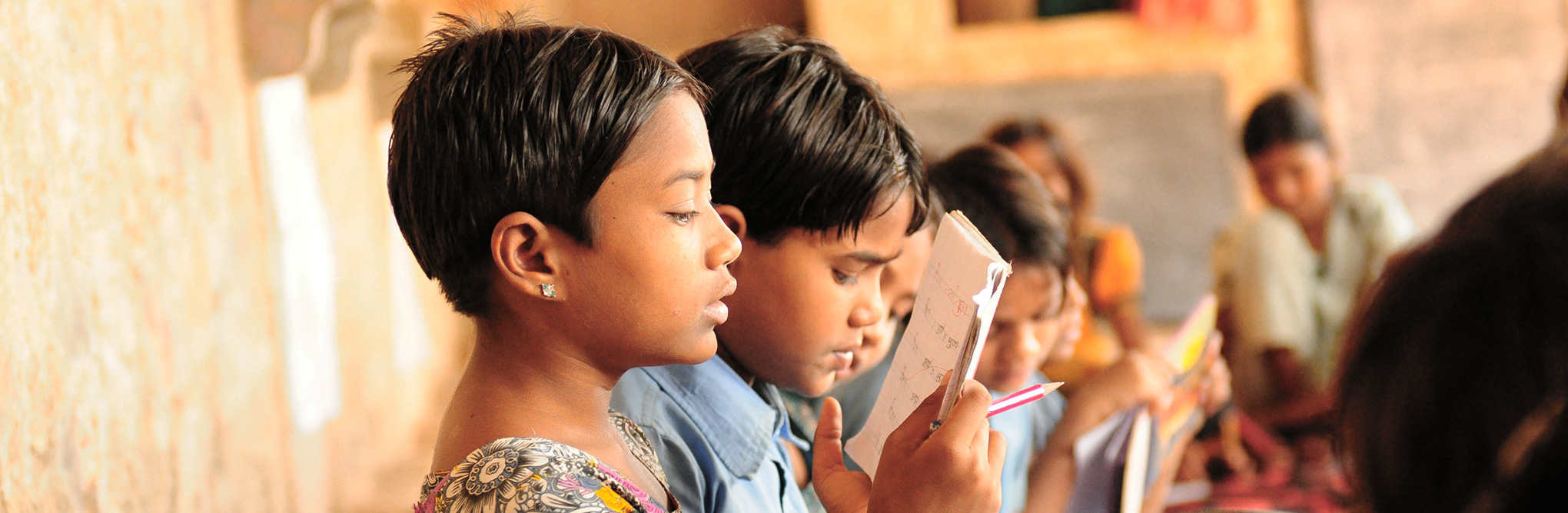
Project Brief: This project was supported from Asha-wide funds for supplying two sets of school uniform for 119 Balwadi Kids in Kallar Village of Nagapattinam district.
Project Type: Other (description)
Primary Focus: other (description)
Supporting Chapter Contact:
Toledo
Project Type: Other (description)
Primary Focus: other (description)
Secondary Focus: other
Area: RuralSupporting Chapter Contact:
Toledo
Status: UNKNOWN
Project Steward: Srivatsan Kannan
Co-Steward: DP Prakash
Project Partner(s): Jeba Durai
Project Address: School Uniform for 119 school children of Kallar Village
Kallar Village
Tamil Nadu
Tel: 044-52112404
Stewarding Chapter: Toledo
Project Steward: Srivatsan Kannan
Co-Steward: DP Prakash
Project Partner(s): Jeba Durai
Project Address: School Uniform for 119 school children of Kallar Village
Kallar Village
Tamil Nadu
Tel: 044-52112404
Stewarding Chapter: Toledo
| 2005 | Toledo | USD 1165 |
Total = $1165
This project was supported from Asha-wide funds for supplying two sets of school uniform for 119 Balwadi Kids in Kallar Village of Nagapattinam district.These children in the age group of 5 to 20 had lost their belongings including clothes, shelter and household items in the tsunami that stuck TamilNadu on the 26th of December 2004. Most children do not have neat dress to wear to school.
Asha Honor Academy
Soon after the Tsunami struck, grass-roots volunteers provided keen insights into the overall relief and rehabilitation operations. These insights led to the formation of a three-part approach to fill in the gaps left behind by the government and the NGOs. Over the past three months, interaction with the community, various NGOs and government officials have re-affirmed these insights and refined them into a concrete strategy for the long-term rehabilitation of Tsunami victims.
The details of this strategy, the current status and upcoming actions are listed on this website. The pervasive key points of this strategy from the initial insights as well as the subsequent refinements are as follows:
* Livelihood options, especially for women are critical.
* Counselling and education for children needs to be provided in a professional and loving manner while leaving a long-lasting positive imprint on local norms, especially the use of innovative learning methods.
* Collaboration with the Govt. and like-minded NGOs is critical. Asha can provide value by "connecting the dots" as well as "filling in the blanks". We also need to leverage existing relationships with NGOs and individuals to make it happen.
* Local ownership and empowerment is the only way to do it.
* Almost everyone will leave in 3-6 months. The community needs partners for the long haul.
Soon after the Tsunami struck, grass-roots volunteers provided keen insights into the overall relief and rehabilitation operations. These insights led to the formation of a three-part approach to fill in the gaps left behind by the government and the NGOs. Over the past three months, interaction with the community, various NGOs and government officials have re-affirmed these insights and refined them into a concrete strategy for the long-term rehabilitation of Tsunami victims.
The details of this strategy, the current status and upcoming actions are listed on this website. The pervasive key points of this strategy from the initial insights as well as the subsequent refinements are as follows:
* Livelihood options, especially for women are critical.
* Counselling and education for children needs to be provided in a professional and loving manner while leaving a long-lasting positive imprint on local norms, especially the use of innovative learning methods.
* Collaboration with the Govt. and like-minded NGOs is critical. Asha can provide value by "connecting the dots" as well as "filling in the blanks". We also need to leverage existing relationships with NGOs and individuals to make it happen.
* Local ownership and empowerment is the only way to do it.
* Almost everyone will leave in 3-6 months. The community needs partners for the long haul.