
Learning Network
Learning Network
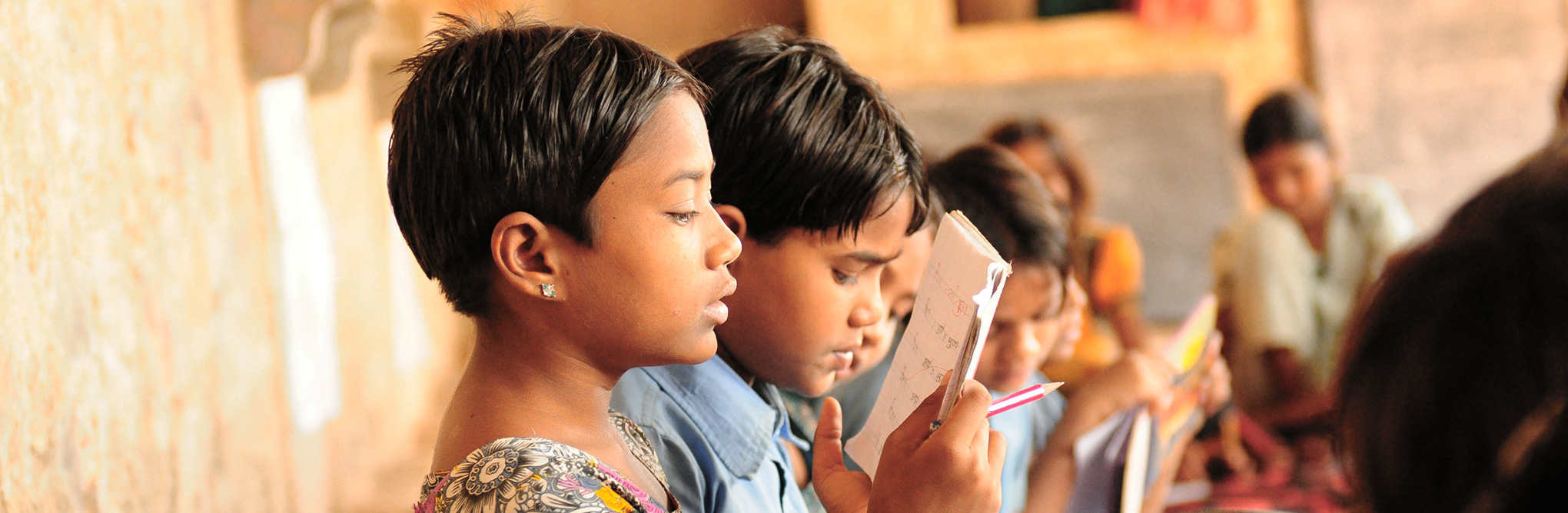
Project Brief: Learning Network explores various approaches towards holistic learning, helps learn about new perspectives & strengthen existing efforts. It is a resource for interested groups, educators and parents seeking meaningful approaches to education.
Project Type: Resource Centers (description)
Primary Focus: creating resources (description)
Supporting Chapter Contact:
Seattle
Project Type: Resource Centers (description)
Primary Focus: creating resources (description)
Secondary Focus: other
Area: UrbanSupporting Chapter Contact:
Seattle
Status: CLOSED - ENDED
Project Steward: Binay Pathak
Project Partner(s): Anita Balasubramanium
Project Address: Learning Network
c/o Meenakshi Balasubramanian
A 1007, Marvel Apoorva Apts, Kalasathamman Koil St, Ramavara
Tamil Nadu 600089
Stewarding Chapter: Seattle
Project Steward: Binay Pathak
Project Partner(s): Anita Balasubramanium
Project Address: Learning Network
c/o Meenakshi Balasubramanian
A 1007, Marvel Apoorva Apts, Kalasathamman Koil St, Ramavara
Tamil Nadu 600089
Stewarding Chapter: Seattle
Learning Network was conceived in Bangalore in January 2003, as a resource for interested groups, individuals, educators and parents seeking meaningful approaches to education. This is a volunteer driven network and has several participating individuals and groups. The main activities of the network include an annual conference, workshops on special topics, topic-driven mini-conferences, newsletters and an annual conference magazine.
More details at <a href="http://www.learningnet-india.org/">Learning Network website</a>.
More details at <a href="http://www.learningnet-india.org/">Learning Network website</a>.
Through its activities - it hopes to provide a forum to come together, participate and search for answers to these and many such pertinent questions:
<ul>
<li>Can education be defined as learning for life and through life experiences?
<li>How can education play a role in creating a peaceful society?
<li>What are the linkages between education and local communities?
<li>How can education lead to socio-economic change?
<li>Can we address the fact that we require not just skills for our living but also a spirit to enquire into human problems?
<li>Can education become person and ecological centered instead of just economic centered?
<li>Can we enrich the experience of disadvantaged children in conventional schools?
</ul>
<ul>
<li>Can education be defined as learning for life and through life experiences?
<li>How can education play a role in creating a peaceful society?
<li>What are the linkages between education and local communities?
<li>How can education lead to socio-economic change?
<li>Can we address the fact that we require not just skills for our living but also a spirit to enquire into human problems?
<li>Can education become person and ecological centered instead of just economic centered?
<li>Can we enrich the experience of disadvantaged children in conventional schools?
</ul>
Contact: <a href="mailto:[email protected]">[email protected]</a>
Sep 2009 Budget Proposal 2009
Jun 2008 Expense Report for 2006 to 2008
May 2008 Budget Proposal 2008
Jun 2006 Budget Proposal 2006
May 2006 Expense Report for 2003 to 2006