
Asmaan
Asmaan
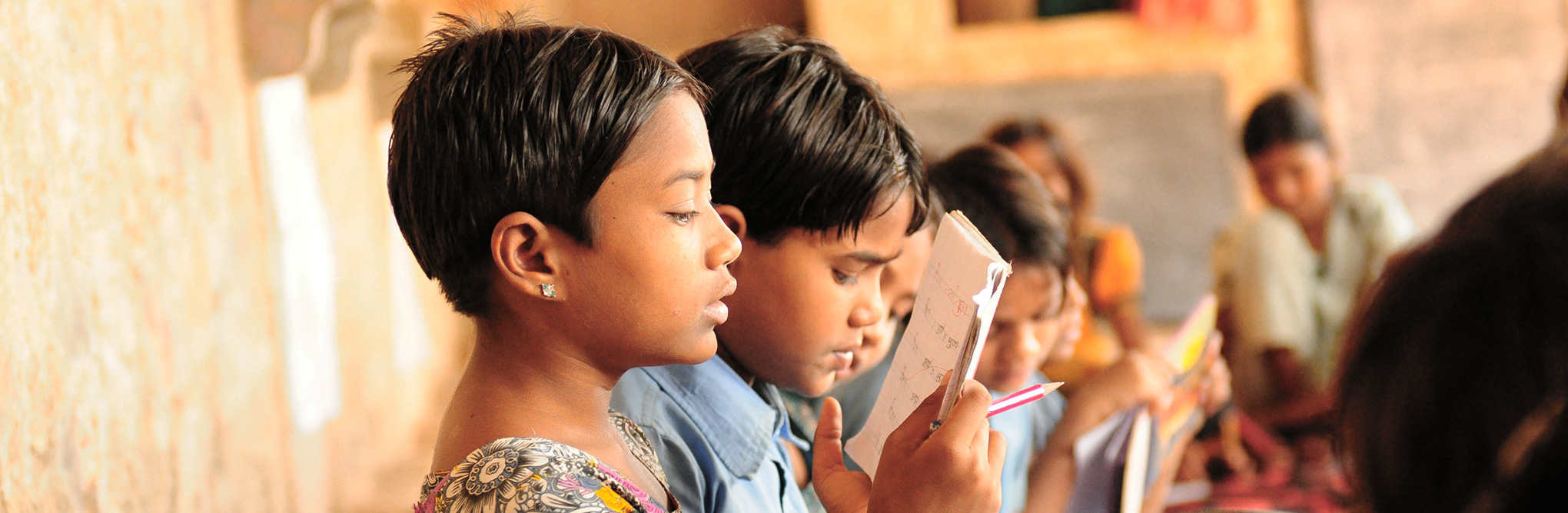
Project Brief: This is a project, which is implemented through a collaboration between two NGO’s Saathi And CCDT. The team of project Asmaan works with a community living on the streets of Morland Road, near Kamathipura, the oldest red light area in Mumbai.
Project Type: Special Needs (description)
Primary Focus: other (description)
Supporting Chapter Contact:
Cleveland
Project Type: Special Needs (description)
Primary Focus: other (description)
Secondary Focus: other
Area: TribalSupporting Chapter Contact:
Cleveland
Status: UNKNOWN
Project Steward: Bharadwaj Ananthan
Project Partner(s): Minal Cheddha
Project Address: Asmaan
Kamathipura Municipal School
Shuklaji Street & 7th Cross Lane, Kamathipura
Mumbai, Maharashtra 400007
Tel: (+022 91) 2494 8053
Stewarding Chapter: Cleveland
Project Steward: Bharadwaj Ananthan
Project Partner(s): Minal Cheddha
Project Address: Asmaan
Kamathipura Municipal School
Shuklaji Street & 7th Cross Lane, Kamathipura
Mumbai, Maharashtra 400007
Tel: (+022 91) 2494 8053
Stewarding Chapter: Cleveland
Total = $0
This is a project, which is implemented through a collaboration between two NGO’s Saathi And CCDT. The team of project Asmaan works with a community living on the streets of Morland Road, near Kamathipura, the oldest red light area in Mumbai. All families are from Bihar, where they own small pieces of land. However, farming does not provide them enough to sustain and hence they have migrated to Mumbai. Most of the men are partially unemployed and the women are employed as domestic help in the nearby households for extremely low remunerations.
The groups who are affected the most are women and children.
Problems of children
· Children are unable to go to school, as they either have to care for younger siblings or earn a living.
· Children have neither space nor time for recreation.
· Children, especially girls often get involved in the flesh trade due to proximity to the red light area.
· Children often face sexual abuse since they are left unprotected for a large part of the day.
· Girls are often married by the time they are 14 yrs.
Problems of women
· Women have to take on dual responsibilities
· They have to go through repeated pregnancies with very little time for recuperation between two pregnancies. They are anemic and under nourished, thus endangering themselves with each pregnancy.
· Women are mostly illiterate. They find it difficult to find employment in any sector other than domestic work.
· They are paid poorly and treated badly by their employers.
· Very often they are divorced for no apparent reason.
· They also have to deal with the unfaithfulness of their husbands.
As Project Asmaan enters in its third year, the team evaluated work of the last two years & how one should move from here. The last year has seen many achievements some are as follows:
· Awareness of medical services available to women in the target community
· Mobilization of government agencies to improve the community (Sanitation, Garbage etc).
· 10 cases of family planning.
· Active Participation in Meetings.
· Building of Trust of Women towards Municipal hospitals and resources.
· Ongoing informative sessions regarding tuberculosis, malaria, reproductive health, nutrition and other topics of concern.
· Monthly health checkups for children of Balwadi and Support Classes.
· Recreational Activities were held for the children (picnic, mela. Educational museum trip).
· 1 community woman acting as attendant/ facilitator.
· Relationships of confidence built between staff and community women allowing for sharing of women’s personal problems.
These achievements were reached, only through building of trust between the project staff and families of community
Noting these achievements the following organizational learning’s have been recognized
· This community has been difficult to work with due to
1. The depressed economics leading to dire hardships – the members of the community often-live short term rather than looking towards what will help in the future.
2. The community as a whole has a very rigid belief system, which does not easily allow for outsiders to intervene.
3. There is a general concern of the intentions of organizations claiming to offer help to the inhabitants of the community.
· Education is exceptionally difficult to offer because the general lifestyle of the community families requires a certain degree of flexibility , allowing a degree of freedom. Continuity in class attendance does not fit their norms and habits.
· Because there is so much distrust of outside agencies and governmental agencies in particular, a great deal of effort had to go towards building people trust in order to persuade them to take advantage of the resources Asmaan is facilitating.
· The way of making contact with community members required learning.
It was discovered that the most effective relationships involved.
1. Several home visits and development of one –to –one relationships
2. Explanations of the additional, immediate benefits of entrusting the children’s time and presence to us (i.e., nutrition, medical care) in addition to the long-term gains of the education offered through the balwadi and support classes.
3. Salient mobilization of other agencies on behalf of the community.
With these achievements and learnings in mind, Project Asmaan refined its vision.
The overriding goals of the project remain to ensure that the community meets the basic rights of the child and empowering women in decision-making. This will be achieved via three objectives:
· Ensure that the rights of the child to protection, development, and participation are met to reduce vulnerability so that they are able to access better options in life.
· Empower woman in the community to participate in decision-making.
· Build links with various institutions, government departments, etc. so that the community is able to fulfill its own needs.
In addition to above objectives the project aims in:
· Preventing economic exploitation of girls / children.
· Provide girls with information regarding prevention of abuse.
· Build links with police and organizations involved in issues of trafficking, abuse, etc.
· Develop groups of women and focus on adolescent girls.
For achieving these above mentioned objectives- the team has proposed some activity.
Activities to be carried on:
1. School Admission for Children, especially girls
2. Regularity of Support Classes and Balwadi
3. Exploring existing crèches, Scheme for women
4. Sponsorship/ support for education
5. Arranging meetings with parents and School teachers
6. Periodic health check ups
7. Training for health animators to monitor health status of the community
8. To provide information to the adolescent girls regarding prevention of sexual abuse
9. Exploring vocational courses for adolescent girls
10. To form women saving groups
11. To network with others NGOs working on similar issues
This is possible only if a one to one relationship through daily visits and interaction with community has to be maintained.
The groups who are affected the most are women and children.
Problems of children
· Children are unable to go to school, as they either have to care for younger siblings or earn a living.
· Children have neither space nor time for recreation.
· Children, especially girls often get involved in the flesh trade due to proximity to the red light area.
· Children often face sexual abuse since they are left unprotected for a large part of the day.
· Girls are often married by the time they are 14 yrs.
Problems of women
· Women have to take on dual responsibilities
· They have to go through repeated pregnancies with very little time for recuperation between two pregnancies. They are anemic and under nourished, thus endangering themselves with each pregnancy.
· Women are mostly illiterate. They find it difficult to find employment in any sector other than domestic work.
· They are paid poorly and treated badly by their employers.
· Very often they are divorced for no apparent reason.
· They also have to deal with the unfaithfulness of their husbands.
As Project Asmaan enters in its third year, the team evaluated work of the last two years & how one should move from here. The last year has seen many achievements some are as follows:
· Awareness of medical services available to women in the target community
· Mobilization of government agencies to improve the community (Sanitation, Garbage etc).
· 10 cases of family planning.
· Active Participation in Meetings.
· Building of Trust of Women towards Municipal hospitals and resources.
· Ongoing informative sessions regarding tuberculosis, malaria, reproductive health, nutrition and other topics of concern.
· Monthly health checkups for children of Balwadi and Support Classes.
· Recreational Activities were held for the children (picnic, mela. Educational museum trip).
· 1 community woman acting as attendant/ facilitator.
· Relationships of confidence built between staff and community women allowing for sharing of women’s personal problems.
These achievements were reached, only through building of trust between the project staff and families of community
Noting these achievements the following organizational learning’s have been recognized
· This community has been difficult to work with due to
1. The depressed economics leading to dire hardships – the members of the community often-live short term rather than looking towards what will help in the future.
2. The community as a whole has a very rigid belief system, which does not easily allow for outsiders to intervene.
3. There is a general concern of the intentions of organizations claiming to offer help to the inhabitants of the community.
· Education is exceptionally difficult to offer because the general lifestyle of the community families requires a certain degree of flexibility , allowing a degree of freedom. Continuity in class attendance does not fit their norms and habits.
· Because there is so much distrust of outside agencies and governmental agencies in particular, a great deal of effort had to go towards building people trust in order to persuade them to take advantage of the resources Asmaan is facilitating.
· The way of making contact with community members required learning.
It was discovered that the most effective relationships involved.
1. Several home visits and development of one –to –one relationships
2. Explanations of the additional, immediate benefits of entrusting the children’s time and presence to us (i.e., nutrition, medical care) in addition to the long-term gains of the education offered through the balwadi and support classes.
3. Salient mobilization of other agencies on behalf of the community.
With these achievements and learnings in mind, Project Asmaan refined its vision.
The overriding goals of the project remain to ensure that the community meets the basic rights of the child and empowering women in decision-making. This will be achieved via three objectives:
· Ensure that the rights of the child to protection, development, and participation are met to reduce vulnerability so that they are able to access better options in life.
· Empower woman in the community to participate in decision-making.
· Build links with various institutions, government departments, etc. so that the community is able to fulfill its own needs.
In addition to above objectives the project aims in:
· Preventing economic exploitation of girls / children.
· Provide girls with information regarding prevention of abuse.
· Build links with police and organizations involved in issues of trafficking, abuse, etc.
· Develop groups of women and focus on adolescent girls.
For achieving these above mentioned objectives- the team has proposed some activity.
Activities to be carried on:
1. School Admission for Children, especially girls
2. Regularity of Support Classes and Balwadi
3. Exploring existing crèches, Scheme for women
4. Sponsorship/ support for education
5. Arranging meetings with parents and School teachers
6. Periodic health check ups
7. Training for health animators to monitor health status of the community
8. To provide information to the adolescent girls regarding prevention of sexual abuse
9. Exploring vocational courses for adolescent girls
10. To form women saving groups
11. To network with others NGOs working on similar issues
This is possible only if a one to one relationship through daily visits and interaction with community has to be maintained.
We want to tell you something about SAATHI. It does good work for the society. It supports girls who run are away from their homes, are on their streets, do not have a place to stay. The girls who are at risk or in danger, they get its help. Friends, Saathi works with the boys and girls who have come from different villages and states, for several reasons. Saathi has three centres, one for girls, one for boys and one where paper bags are made. Orders for paper bags are taken and made and paper bags are sold outside.
Once a boy comes into Saathi, his name and address is taken and then he is given full information about Saathi. He is asked the reason for running away from home/ village/ state. Then whoever wants to study is given an opportunity to study, or whoever wants to work is supported to do so. He is given some time to look for work and then he joins work. Then he is sent to the group homes being run by Saathi. For new boys, they are sent to different organizations for night shelter. He does not have money to eat and hence he is given money for food. Any boy wants to learn some skills are sent for training. Girls who come away from their homes are helped by Saathi. Some boys have been with Saathi, moved in to the group home, studied well, while some of them have even brought their own homes. Boys who want to go back home are sent back.
What is not there in Saathi, it has everything. There is a house for shelter, food to eat, clothes to wear, facilities to move around, paper bag to work on. What else is needed in life? Saathi is a good organization. The way of working is different. Every boy/ girl living on the streets should meet up with Saathi. In short, Saathi is the future of the boys and girls coming from different villages and states.
Once a boy comes into Saathi, his name and address is taken and then he is given full information about Saathi. He is asked the reason for running away from home/ village/ state. Then whoever wants to study is given an opportunity to study, or whoever wants to work is supported to do so. He is given some time to look for work and then he joins work. Then he is sent to the group homes being run by Saathi. For new boys, they are sent to different organizations for night shelter. He does not have money to eat and hence he is given money for food. Any boy wants to learn some skills are sent for training. Girls who come away from their homes are helped by Saathi. Some boys have been with Saathi, moved in to the group home, studied well, while some of them have even brought their own homes. Boys who want to go back home are sent back.
What is not there in Saathi, it has everything. There is a house for shelter, food to eat, clothes to wear, facilities to move around, paper bag to work on. What else is needed in life? Saathi is a good organization. The way of working is different. Every boy/ girl living on the streets should meet up with Saathi. In short, Saathi is the future of the boys and girls coming from different villages and states.